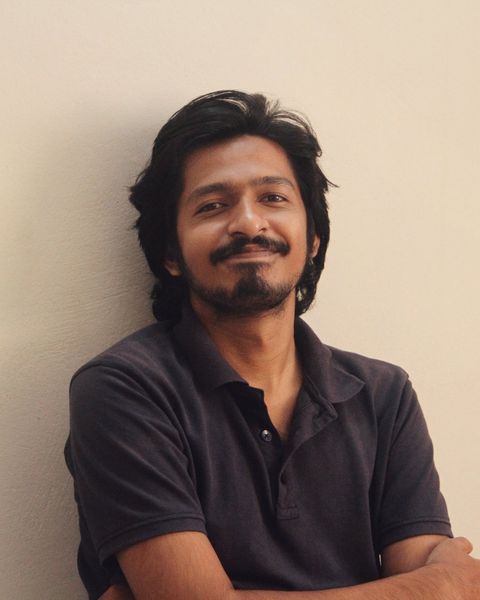
Hamaguchi did it again. With All of a Sudden, he finds beauty in the simple act of spending time with another person. At 196 minutes, the film moves slowly, but its slowness is part of its charm. Conversations wander, silences last, and people reveal themselves little by little. Hamaguchi knows that understanding someone takes time, and he gives his characters plenty of it. His camera watches them with the same patience, finding beauty in faces, gestures and the spaces they share. Nothing needs to happen all at once. Sometimes, a conversation is enough to change how we see another person.
Marie-Lou Fontaine (Virginie Efira) runs a care home in Paris and wants to introduce Humanitude, a way of caring for elderly people that focuses on eye contact, touch, communication and respect. She believes that caring for someone means more than meeting their physical needs. Even when illness takes away a person's memory or independence, there is still someone to understand and care for. But her ideas meet resistance. Her colleague Sophie (Marie Bunel) questions whether this approach can work in practice, while the daily demands of the institution leave little room for the attention Marie-Lou wants to give the residents. Their disagreement raises a difficult question: how much time does a person deserve when they can no longer offer anything in return? Hamaguchi does not make Marie-Lou a perfect figure of kindness. Her beliefs can make her stubborn, and her desire to help others sometimes stops her from listening to them. The film shows that caring for someone takes more than good intentions. It also means understanding their needs, even when they are different from our own.
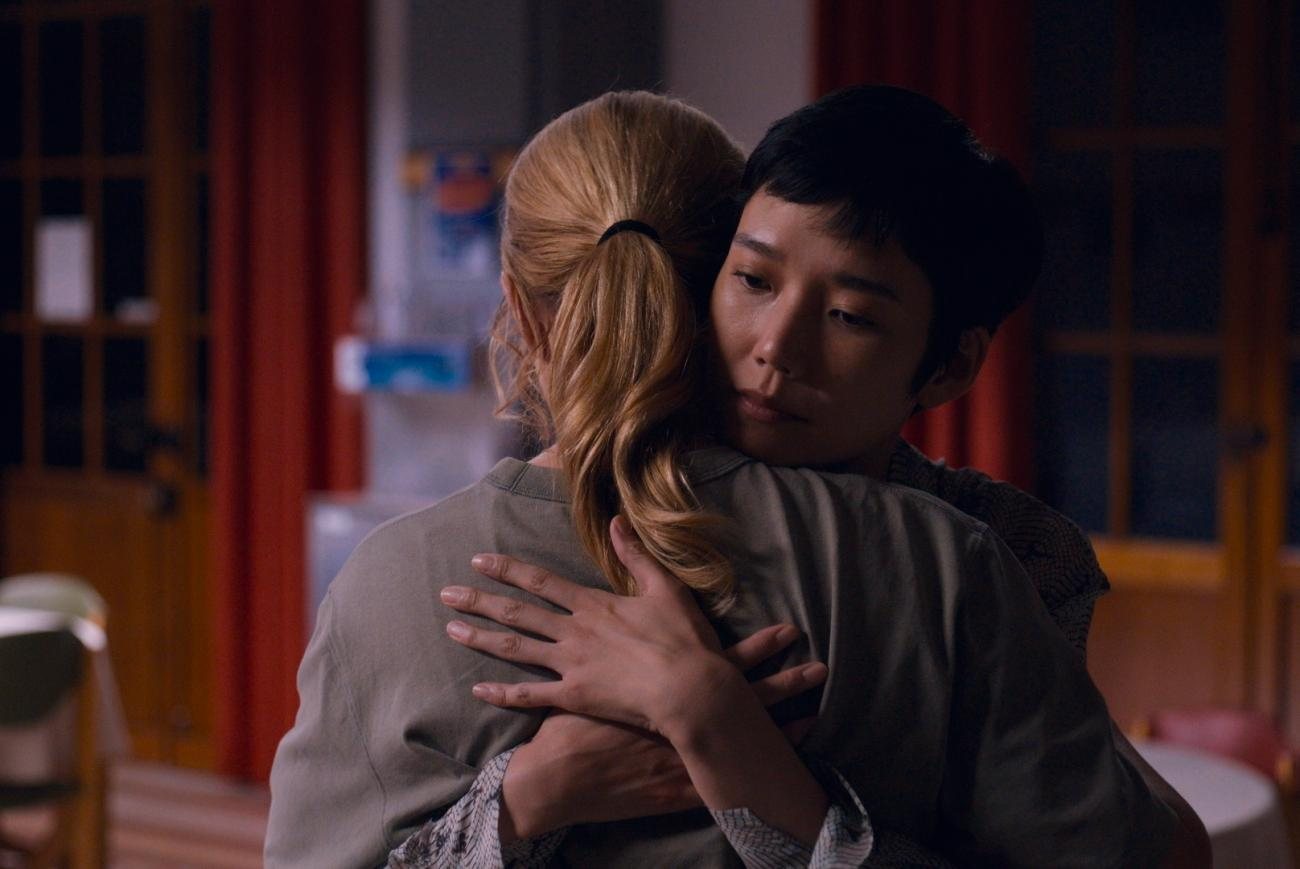
Marie-Lou's life changes when she meets Mari Morisaki (Tao Okamoto), a Japanese experimental theatre director living with terminal cancer. Their paths cross through a theatrical production featuring Goro (Kyōzō Nagatsuka), the grandfather of Tomoki (Kodai Kurosaki), an autistic adolescent whom Marie-Lou has helped. Their friendship grows through conversations about art, work, illness and the meaning of life. A light exchange can lead them into difficult questions about death and human nature. Later, their journey to Kyoto brings them closer to the reality of Mari's condition. Yet Hamaguchi never turns their relationship into a simple story about a dying woman and the person who stays beside her. He is interested in the life that grows between them, the thoughts they share and question, and the small moments that become important without either woman having to explain why.
The use of theatre is another reason the film feels so rich. Hamaguchi has often used performance to explore how people express themselves and hide parts of who they are. Here, theatre becomes more than an art form within the story. It offers another way to understand feelings that are difficult to put into words. The production also brings different lives together, connecting Marie-Lou's work, Mari's artistic world and the people around them. As in Drive My Car, performance and everyday life are closely linked. Theatre becomes a place where people can face feelings and truths that they might otherwise avoid.
The cinematography is beautiful again. Hamaguchi's visuals always have warmth, a wonderful kind of comfort. The camera gives the characters room to exist within their surroundings. The images feel calm and carefully observed, whether we are watching a conversation or seeing the landscape open around the characters. The beauty comes from the people and the spaces they share. The camera does not tell us what to feel. It simply gives us time to look.
Efira and Okamoto make the friendship believable through small changes in expression and tone. Efira gives Marie-Lou a quiet strength, along with the frustration and doubt that come with trying to do the right thing. Okamoto brings Mari a lively mind and an openness that keeps her illness from defining her entire life. Their conversations are among the film's greatest pleasures. Hamaguchi lets them speak without forcing every exchange towards a clear conclusion. They disagree, change direction and sometimes discover what they mean only after they have started talking. The performances make these discussions feel natural, even when the ideas are complex. Listening becomes a way of getting close to someone, and sharing thoughts becomes a form of intimacy.
The film's politics grow out of these everyday moments. I would argue that All of a Sudden is Hamaguchi's most political film because it asks how society decides what a human life is worth. The conflict inside the care home is not just about different ways of looking after people. It is about the pressure to make care faster, cheaper and easier to measure. Humanitude needs time, but institutions focused on efficiency often struggle to provide it. Sitting with an elderly person or helping them through a daily routine may not produce a result that can be measured. Yet these acts can make the difference between treating someone with dignity and treating them as just another task.
Hamaguchi's criticism of capitalism becomes clearer when Mari uses a whiteboard to explain its harmful cycles and their connection to the natural world. She links the exploitation of workers to a system that keeps using up the resources on which life depends. The scene is more direct than much of Hamaguchi's earlier work, where ideas often emerge through conversation. Here, Mari explains her argument plainly. It gives the problems inside the care home a wider meaning. A society that measures everything through productivity will struggle to see the value of people who cannot work, recover or give anything back. The film questions a world in which even the time spent caring for another person must be justified by its cost.
Still, Hamaguchi does not suggest that kindness alone can fix everything. Marie-Lou is imperfect, and good intentions cannot change an entire system. The residents are also more than people who need care. They have their own habits, desires and relationships, and they continue to affect the lives around them. Care can move in both directions, often in ways that neither person expects. This is where the film finds hope. It does not promise that everything can be fixed, but it shows that we can choose to treat one another differently.
The slow pace is central to what Hamaguchi wants to say. He gives his characters the time that the world around them struggles to provide. He stays with a conversation because another thought might emerge. He stays with a person because there is always more to understand. The film's length becomes part of its beauty, allowing us to settle into the lives of these people rather than simply watch their stories unfold.
Mari's illness reminds us that the time we share with others is limited. We cannot stop death, and love cannot protect us from every kind of suffering. But we can choose how we spend the time we have. In All of a Sudden, Hamaguchi finds something quietly powerful in that choice. A society shows what it values through the attention it gives to those who need it most. Sometimes, giving another person our time is not a small gesture. It is a way of saying that their life matters, even when the world seems to have forgotten its worth.