Cinema can be like this too. That idea alone might hold one of film's biggest possibilities. For more than a hundred and thirty years, cinema has kept changing itself: its subjects, its forms, its pace, the way it's made, and even our basic idea of what a film is. No single language or rule has ever been able to contain it, and probably no art form can be contained that way. As film history moved forward, the range of what was possible only grew wider. Certain filmmakers played a special role in that expansion. They didn't just make good or unusual films; they asked what cinema could actually do, how many different things it could become. Sometimes they set the story aside, sometimes they made acting unnecessary, sometimes they broke the usual rules of editing, and sometimes they simply pointed a camera at a place and waited for something to happen. Because of this, cinema was never a single fixed language. Its canvas is vast, almost endless.
Jean Luc Godard's Breathless is a bright spot on that canvas, and a major turning point in film history. The name alone brings to mind a face in sunglasses, a certain Godard, someone whose very name suggests doing things differently. Breathless was his remarkable creation. The 1960 film didn't just teach audiences to think about cinema in a new way; it also shook loose the idea of how a film was supposed to be made. Quick cuts, jump cuts, a kind of comfort with imperfection, closeness to the characters suddenly broken by distance. All of this made Breathless a film that reshaped the language of cinema itself. It tells a story while also questioning the rules of storytelling.
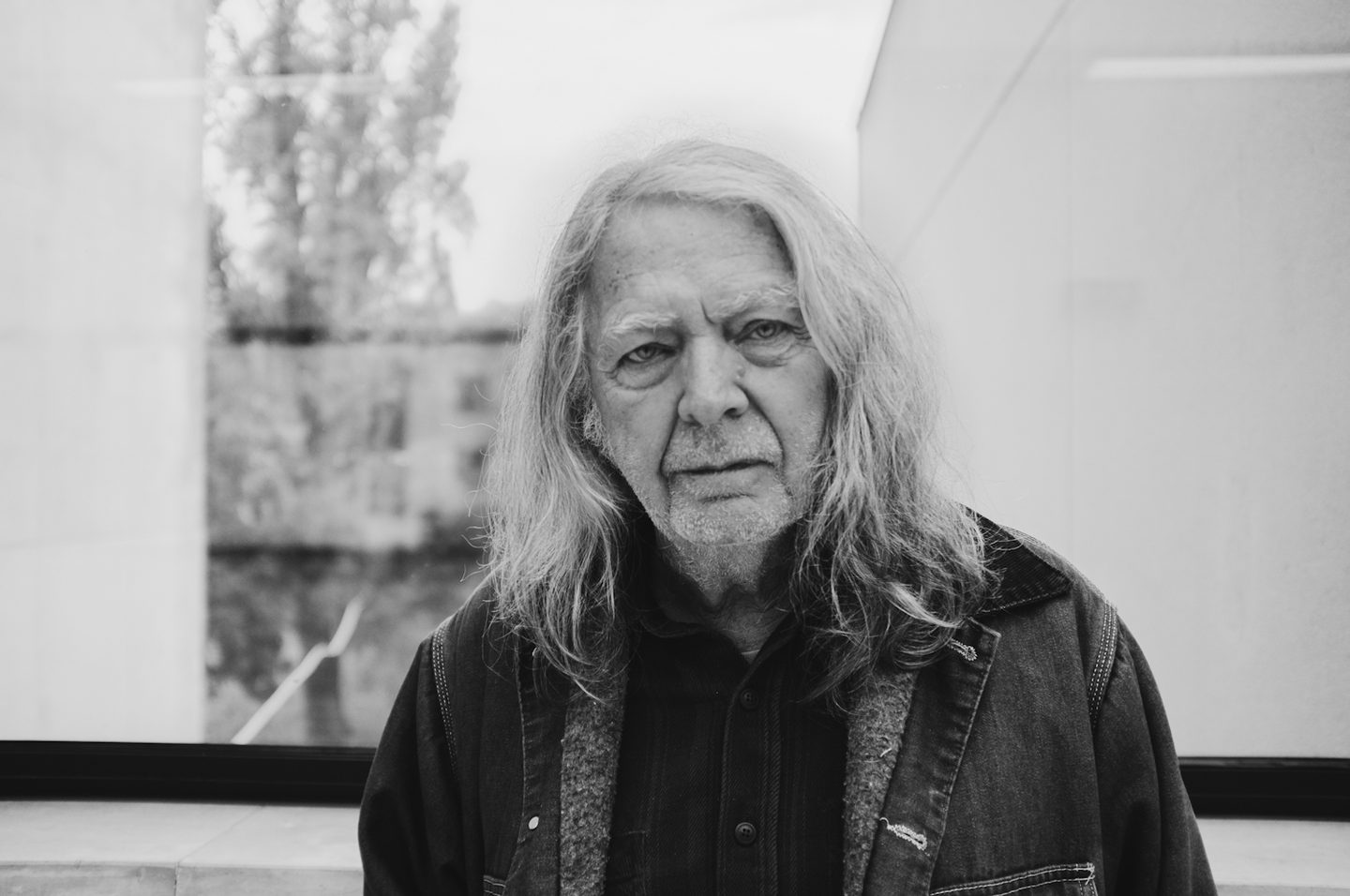
But James Benning, whose name sits near the very top of American independent film history and who has spent more than four decades making films entirely on his own terms, took that same title into completely different territory with his own Breathless in 2024. There's no criminal antihero like Michel here, no dramatic relationship like the one with Patricia, no conventional narrative at all. Instead there's a place, a tree, a sky, a forest scarred by fire, the sound of a military exercise, and reality unfolding in front of the camera without being asked to. Benning himself described how the film came about, saying he had set out to make something without a story, roughly the length of Godard's Breathless, but ended up with something else entirely, something breathless. That "something else" is really the heart of Benning's film.
On November 28, 2023, Benning traveled through California, past Pine Flat and the Great Western Divide toward the Upper Kern River. His plan was simple: photograph a tree with orange leaves. But once he got there, he began to notice things he hadn't planned for. Wildfires had swept through that forest in recent years, and amid the burned landscape, reality itself seemed to start composing the scene. Then a military exercise began overhead. Benning kept the camera running.
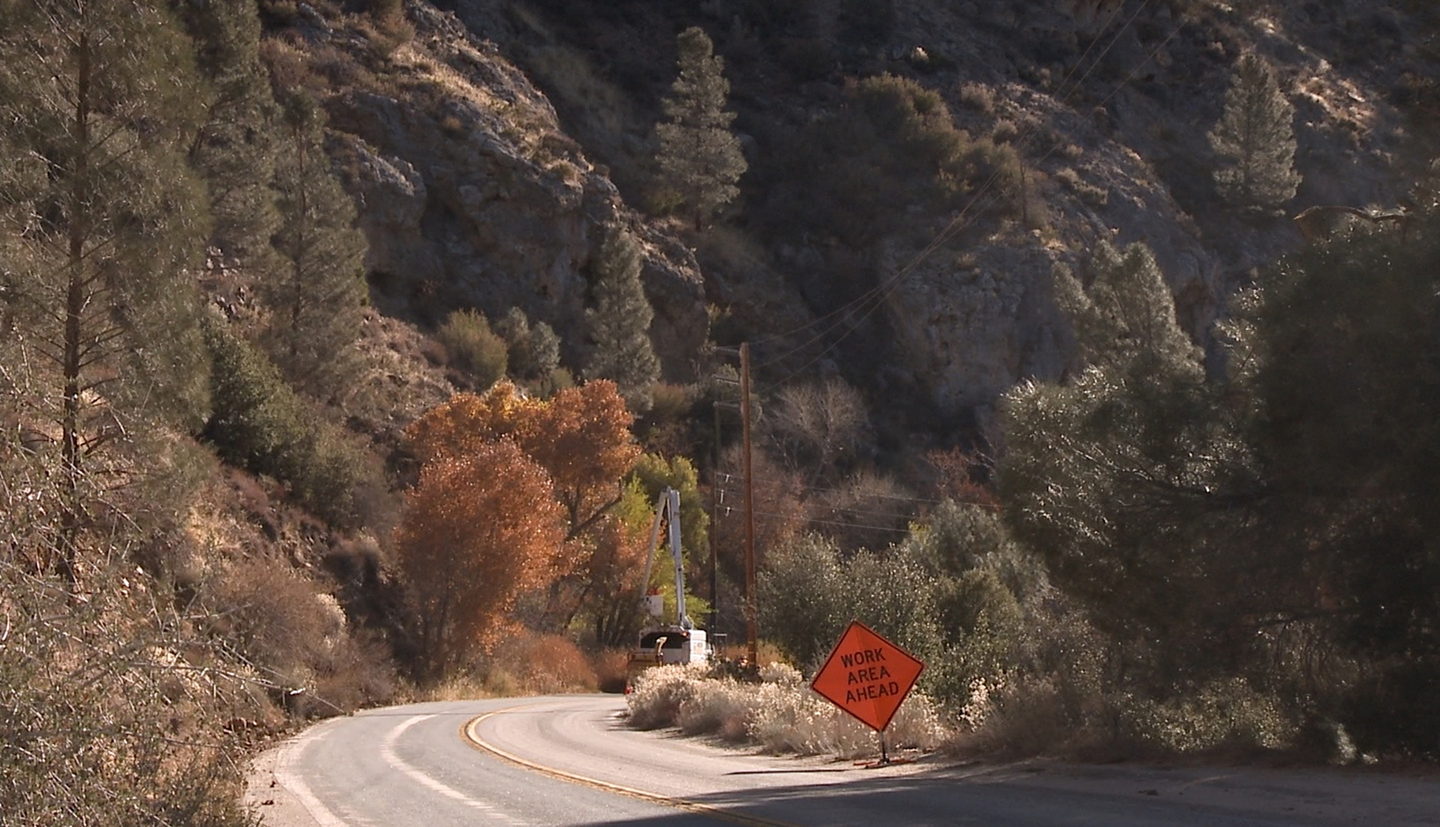
This is the key to understanding his Breathless. The film isn't about an event; it's about the relationship between the camera and the moment an event happens. The tree Benning went to see stopped being just a subject. The burned ground around it, the military planes overhead, the distant sounds, the wind, all of it together created an audiovisual space with no screenplay and no cuts.
In other words, Benning isn't using cinema to translate reality. He's letting reality show up in front of the camera on its own time, showing exactly what is there. That's what makes the relationship between Godard's Breathless and Benning's so interesting. Godard broke the grammar of conventional cinema through editing. Benning removes that grammar almost entirely and asks how necessary editing even is. In Godard's film, the cuts remind us we're watching a film. In Benning's film, waiting itself becomes the experience of watching.
What's even more striking is that we've seen other kinds of films like this before, and slow cinema in particular opens up a whole world worth exploring. Think of Béla Tarr's The Turin Horse, a hundred and forty six minutes built from only about thirty shots. Or Sátántangó, which opens with an eight minute long take. Or the ending of Nostalghia. There are hundreds of examples like these. But what about an entire film made of a single shot? Single shot films aren't unfamiliar to us; Sokurov's Russian Ark from 2002 is probably the finest example. Still, Benning feels like something else again, entirely his own. His body of work supports that: ten unbroken shots of the sky became Ten Skies in 2004, thirteen lakes became 13 Lakes the same year. But Breathless is even more compelling: one continuous shot lasting eighty seven minutes, as if there's always more to see after you think you've seen it all. It's about waiting, about looking more deeply through the act of looking, about listening to the wind pass by. About waiting, wonderfully.
So Benning's breathlessness isn't a character's mental state, and it isn't narrative suspense. It's the strange, uncontrollable way reality reveals itself: going to see a tree and ending up watching warplanes cross the sky, standing before a burned landscape, keeping the camera running without knowing whether anything will happen at all.
Cinema really can be like this too!