Rafiki Fariala's Congo Boy is a film about displacement, but it is not merely a story of refugees or survival. At its heart, it is a deeply intimate portrait of a young person trying to hold together the fragile pieces of a life shaped by borders, violence, and uncertainty. Rather than looking at exile through the language of statistics or politics, Fariala brings us closer to the emotional landscape of those who live through it — the silence, the responsibilities, and the dreams that refuse to disappear.
The film follows Robert, a 17-year-old boy from Congo living in Bangui, Central African Republic. A young man with aspirations of becoming a musician, Robert’s world suddenly collapses when his parents are arrested, leaving him responsible for his younger siblings. Forced to become a caretaker before he is ready, he must balance school, work, family responsibilities, and his own artistic dreams. But Congo Boy is not structured as a conventional tale of hardship and triumph. Fariala avoids easy emotional manipulation; instead, he observes Robert’s everyday existence with patience and tenderness.
What makes the film remarkable is the way Fariala transforms a personal story into a larger reflection on identity. Robert is not simply a displaced person searching for a home; he is someone caught between multiple identities, histories, and geographies. The word “Congo” in the title carries both a sense of belonging and a sense of distance. It represents a homeland that exists in memory, but also a place from which he has been separated.
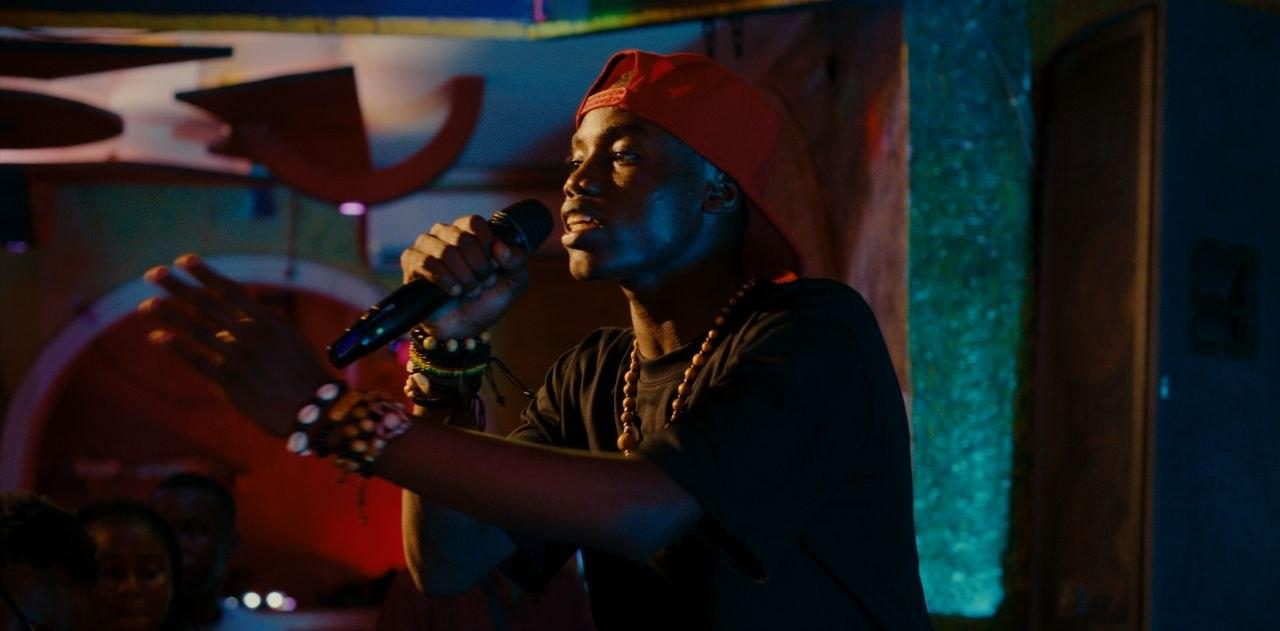
Music becomes the film’s emotional language. For Robert, creating music is not only a dream of a future career; it is a way of preserving his voice in a world where circumstances constantly attempt to silence him. Fariala understands that for many young people living through instability, creativity is not a luxury — it is a form of survival.
Visually, Congo Boy carries the intimacy of a personal diary. Fariala’s camera stays close to Robert’s daily life, allowing small gestures and quiet moments to reveal the weight of his experiences. The film finds poetry in ordinary spaces, suggesting that even in environments marked by uncertainty, life continues to create moments of beauty.
Congo Boy is ultimately a film about a young man trying to imagine a future while carrying the burdens of the past. It reminds us that displacement is not only about losing a place — it is also about searching for a voice, a memory, and a possibility of belonging.