Jorge Thielen Armand’s cinema always exists in a blurry space between reality and imagination. His new film, 'Death Has No Master' (La Muerte no tiene Dueño), presents a version of Venezuela that is both beautiful and terrifying. It is not just a story about revenge or land disputes; it is an Acid Western where the humidity of the jungle and the toxic memories of colonialism replace traditional dust and sweat.
The film goes like this, after 20 years, Carolina (Asia Argento) returns to sell her father’s abandoned cacao plantation. In doing so, she faces her own roots. A group of former workers now lives in that mansion. In this struggle over ownership and rights, the jungle itself becomes a living character.
The title Death Has No Master carries a strong political message. It points toward the current chaos and abuse of power in Venezuela. Here, the Master refers to the ruling system that wants to control the lives and deaths of ordinary people. But in the end, neither nature nor death obeys any master.
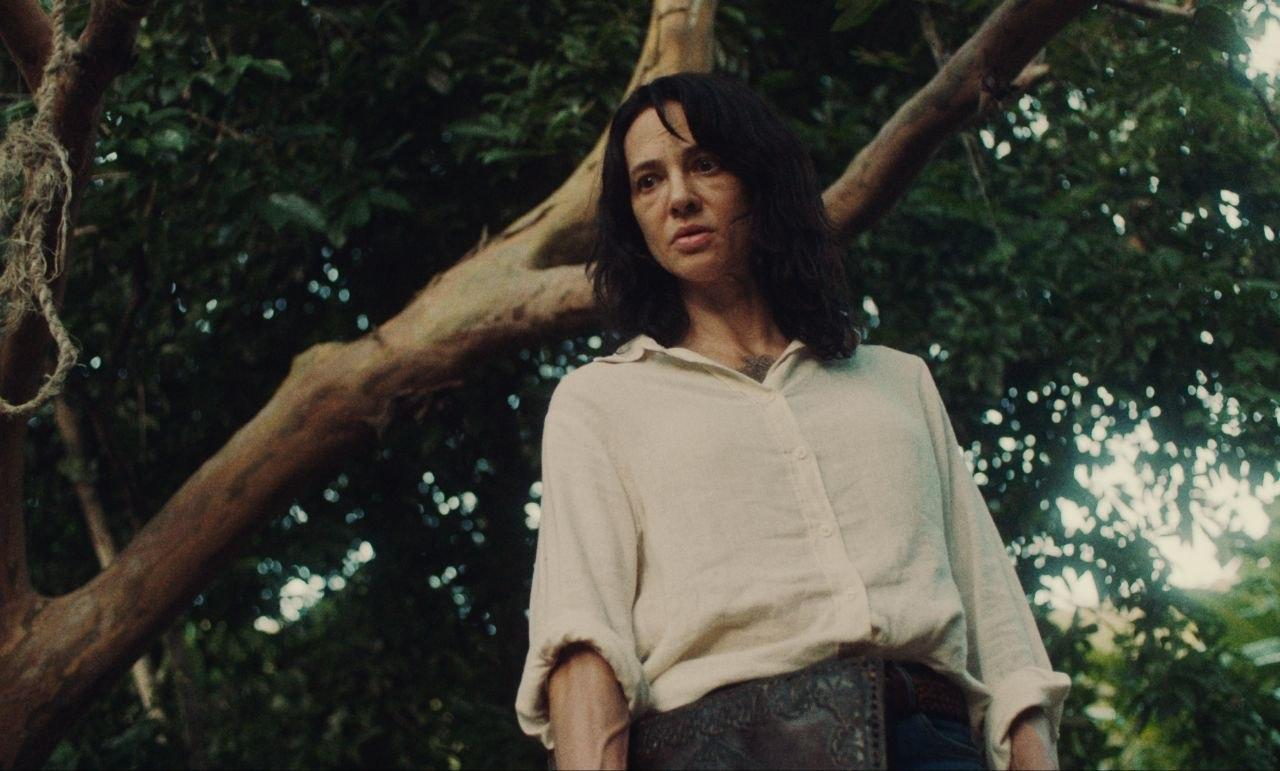
The film skillfully highlights the political and environmental crisis in the Amazon region of southern Venezuela, especially regarding illegal gold mines. This looting of resources and the influence of local gangs or the state show the raw reality of political instability.
Thielen often tells stories about the fall of the Venezuelan elite. Here, too, we see how the old upper class is collapsing due to economic crisis. It is a story of a failed system where people are being disconnected from their heritage.
The paranoia and constant fear felt by people in an unstable country are captured through the film's gloomy mood. Instead of direct slogans, the director shows political decay through silence and isolation.
Nature is not just a background here. The destruction of the Amazon is a metaphor for Venezuela’s broken political structure. The human attempt to dominate nature feels like a form of dictatorship.
Some films slowly take over your mind. In these films, silence becomes the main character. That is exactly what happens in Death Has No Master. As Lav Diaz once said, in his films, nature is a character. Similarly, the thick green jungle, the house, and the cars on the road all act as characters here.
The cinematography of the fim is so detailed that you can almost feel the texture of the cacao fruit and the dampness of the forest on screen. Watching this film feels less like a story and more like walking through a nightmare or a long sigh. Even the opening is hauntingly realistic. The brilliant music sustains this feeling throughout the film. Asia Argento’s tired eyes and Luis Armando Arteaga’s camera work truly stay with you.
Ultimately, Death Has No Master reminds us that while man-made laws and borders may crumble, the jungle and death submit to no one. When all politics fail, nature has the final word. The true achievement of this film lies in the profound resonance of that silence.