Aung Phyoe's Fruit Gathering: A Tender Portrait of Longing, Labour, and the Possibility of Dreams
There is a rare kind of excitement in discovering a film that announces the arrival of a new cinematic voice. Fruit Gathering, the debut feature by Myanmar filmmaker Aung Phyoe, carries that excitement. It is a film that feels both intimate and ambitious — a quiet observation of ordinary lives shaped by labour, class, longing, and the search for a place to belong. At a time when Myanmar's cinema continues to struggle for visibility, the emergence of such a bold and beautiful work feels significant in itself.
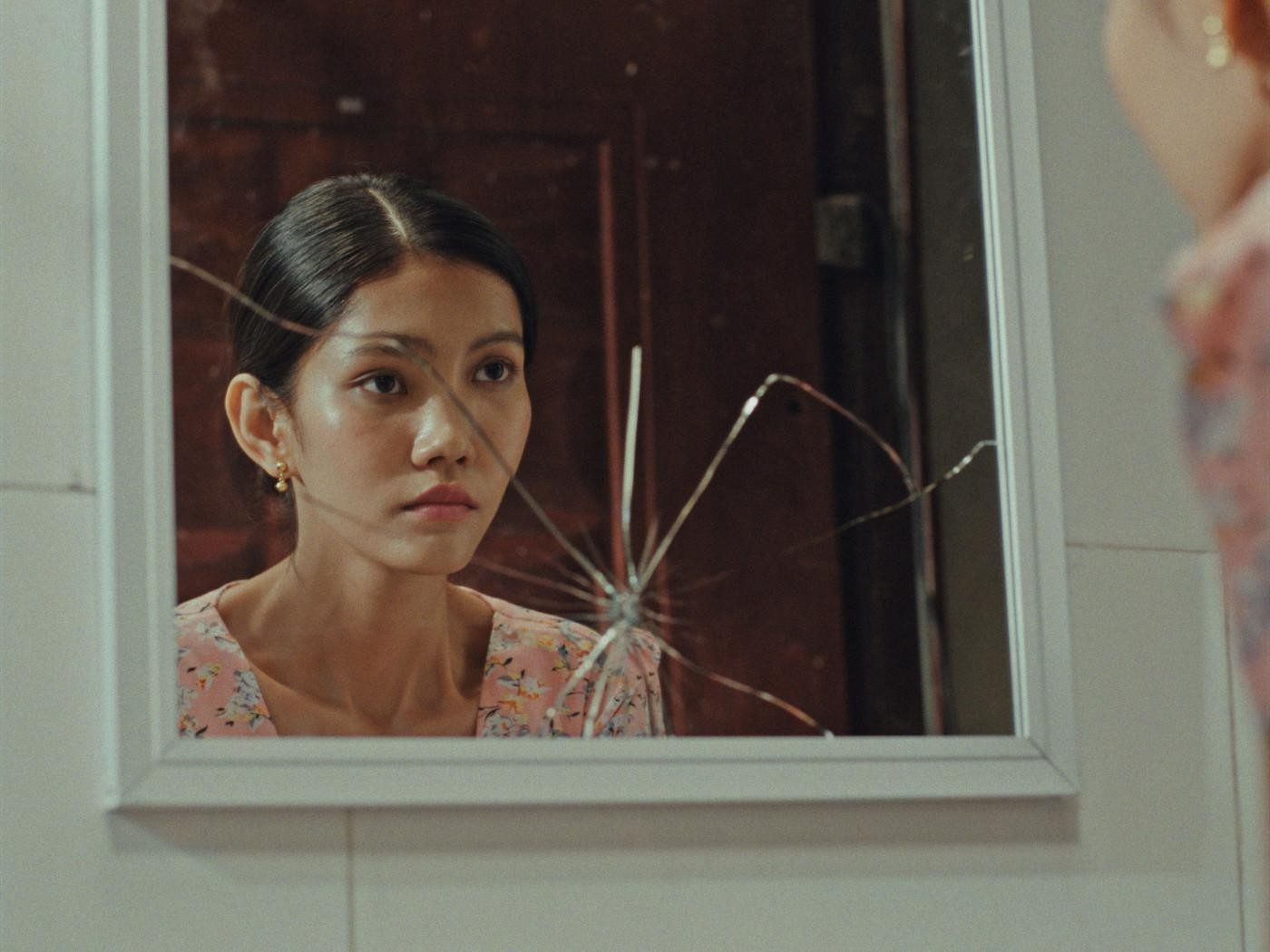
The film follows San Kyi, a young factory worker in Yangon, whose life exists between exhaustion and aspiration. Alongside her daily labour, she carries a desire to return to her ancestral village, a place connected to memory, belonging, and perhaps a different version of herself. Her relationship with her co-worker Theint Theint Oo gradually becomes the emotional centre of the film — not through dramatic declarations, but through small encounters, shared silences, and the delicate language of things left unsaid.
Aung Phyoe's greatest strength lies in his ability to observe. The first half of Fruit Gathering feels remarkably assured, almost like a carefully painted canvas where every frame carries its own emotional texture. The factory spaces, the quiet streets, the faces of the workers, and the rhythm of everyday existence are captured with patience and sensitivity. But beneath this gentle observation lies a sharp understanding of class realities. The film quietly reveals a world where workers spend long hours giving their energy and labour, while receiving very little in return. Their lives are shaped by economic limitations, where survival often demands the sacrifice of dreams and personal desires.
What makes this portrayal powerful is that Aung Phyoe never turns these realities into simple statements. The differences between social classes exist naturally within the world of the film — in the spaces people occupy, the opportunities available to them, and the choices they are forced to make. The workers are not presented merely as victims of a system; they are shown as individuals carrying their own hopes, emotions, and aspirations. The film understands that behind every labouring body exists a complete human life.
The title itself feels deeply symbolic. Gathering fruit is an act of patience — waiting for something to mature, something that can finally be collected. In the same way, the characters in the film are gathering fragments of hope from lives shaped by economic uncertainty and social limitations. They search for moments of warmth in an environment that often denies them possibilities.
However, the film's second half does not always maintain the same emotional precision established earlier. The narrative loses some of the quiet power and visual richness that made the first part so captivating. After building such a detailed social world, the film gradually focuses more heavily on its protagonist, leaving behind some of the wider class dynamics and human stories that were introduced so beautifully in the beginning. As a result, the latter portion feels slightly weaker in comparison.
Yet even with these limitations, the sincerity of Aung Phyoe's vision remains undeniable. What makes Fruit Gathering particularly special is not merely its imperfections, but the promise it reveals. To witness such a bold and beautiful cinematic work emerging from Myanmar is, in itself, a reason for celebration. The film carries the freshness of a filmmaker searching for his own language — someone deeply attentive to human vulnerability, memory, and the invisible emotions that shape our lives.
Aung Phyoe is clearly a filmmaker with immense potential. Fruit Gathering may not be a completely flawless work, but it announces the arrival of a distinctive voice — one that observes the world with compassion and transforms everyday struggles into moments of quiet poetry. One can only hope that this is the beginning of a long cinematic journey, and that we will continue to see more films from him in the years to come.