We are all, in one way or another, familiar with this story. We leave home for the West in search of a better future, a better life, more opportunities. We do it for ourselves and often for the people we love. But somewhere in that pursuit, there is another side we do not always think about. While we are busy building our lives elsewhere, our parents may be growing older and lonelier back home. Auguste Bernard Kouemo Yanghu’s House of the Wind looks closely at that loneliness.
Eighty-year-old Josette lives alone in Yaoundé after all six of her children have left Cameroon, most of them for Europe. She knows they are unlikely to return, yet she refuses to let go of the possibility. She encourages them to build houses back home, quietly hoping that having a house of their own might give them a reason to come back. She continues to look after the family home as though her children might one day walk through the door again. The house becomes more than a place to live. It holds the traces of a family that has slowly scattered. This is what makes Josette’s situation feel so familiar. In Cameroon, Bangladesh and many other parts of the world, leaving for the West has become an ordinary part of life. Children leave because opportunities lie elsewhere, and their parents are often proud of what they achieve. But pride and loneliness can exist at the same time. House of the Wind understands this without turning migration into a simple argument about who is right or wrong. Josette does not necessarily want her children to have stayed. She simply misses the life they once shared.
Sarah, a young woman from Josette’s neighbourhood, gradually brings something new into that lonely life. Their relationship becomes the emotional centre of the film, giving Josette a companionship she has been missing for years. Yet Sarah’s presence also unsettles the life Josette has built around her children, her responsibilities and the hope of their return. The film handles their bond with a certain tenderness, allowing it to grow naturally rather than treating Sarah as an easy answer to Josette’s loneliness. The house remains the film’s most affecting space. It feels lived in but also strangely empty, as though the people who belong there have been reduced to memories. Josette moves through its rooms like someone taking care of a life that has already begun to disappear. The film also gives Yaoundé a quiet presence through its streets, weather and everyday rhythms, making the city feel like part of Josette’s emotional world.
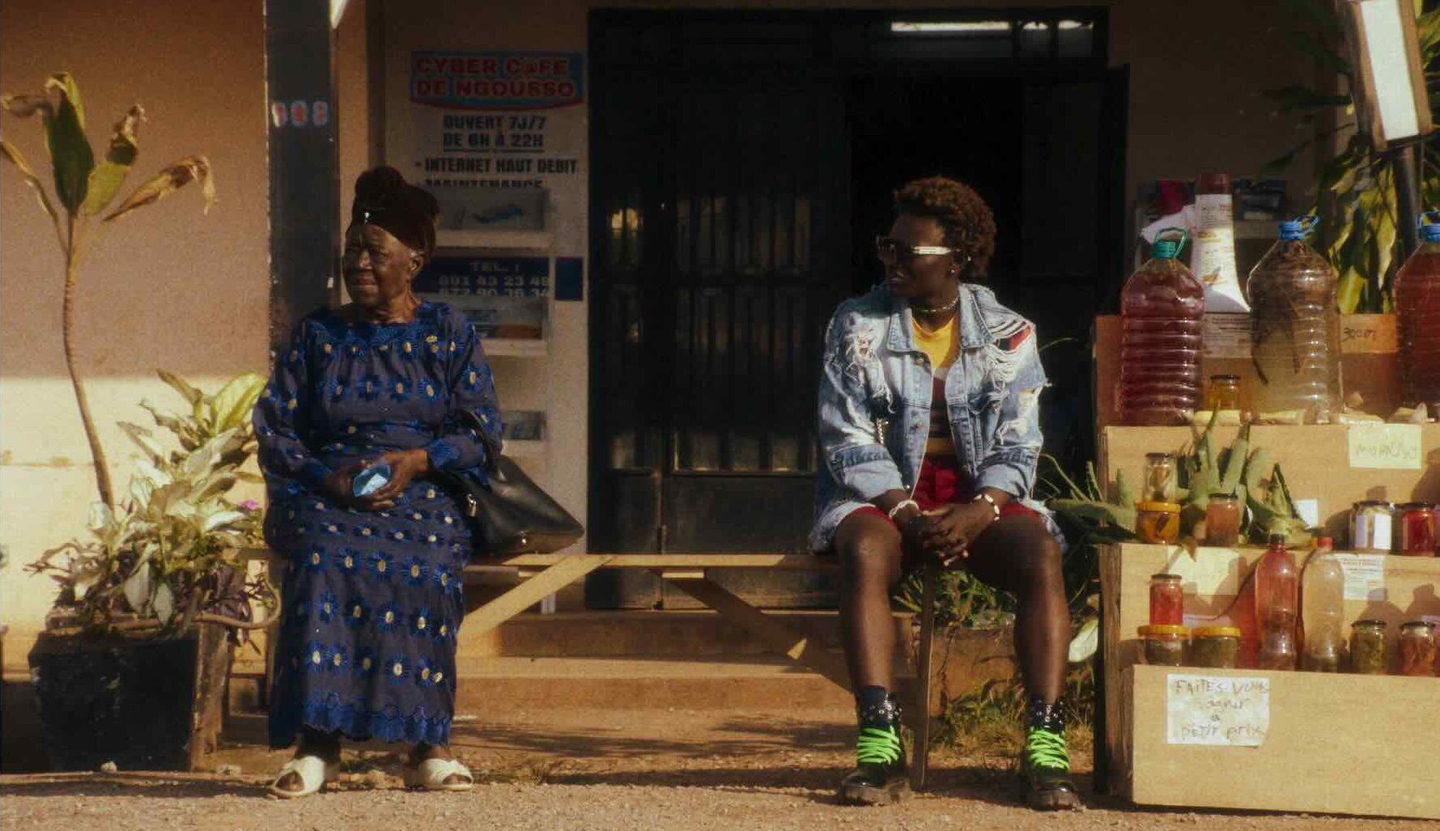
There is something deeply personal behind the film. Yanghu has lived in France for twenty years and became French, while Cameroon does not recognise dual nationality. Josette is inspired by his own mother, who, like the character, raised six children who eventually left for Europe. She too remained alone in the family house in Yaoundé, holding on to the hope that her children might one day return. That background gives the film an intimate sense of observation, particularly in the way it looks at the quiet loneliness of an ageing mother.
House of the Wind is not a film that completely astonishes through its filmmaking. At times, its emotional ideas feel stronger than their cinematic execution, and some of its situations could have been explored with greater depth. Its visual language is not always as distinctive as the story deserves. Still, there is something sincere and affecting about the film, and its emotional core stays with you. Yanghu does not judge those who leave or romanticise those who remain. Instead, he looks at what migration can leave behind: an ageing mother, an empty family home, rooms that still belong to people who are far away, and a life organised around the hope of someone's return. Perhaps the saddest thing about Josette is that she is not simply waiting for her children to come back. She is waiting for the feeling of having a family around her to come back. And for many parents whose children have gone far away, those two things may no longer be the same.