When filmmakers from different languages and cultures share the responsibility of a single frame, they create something totally new. The creative minds behind this project, Dominique Welinski and Yulia Evina Bhara, have shown that exact magic against the backdrop of Jakarta. The movie beautifully mixes city life, sadness, blindness, and strange magic.
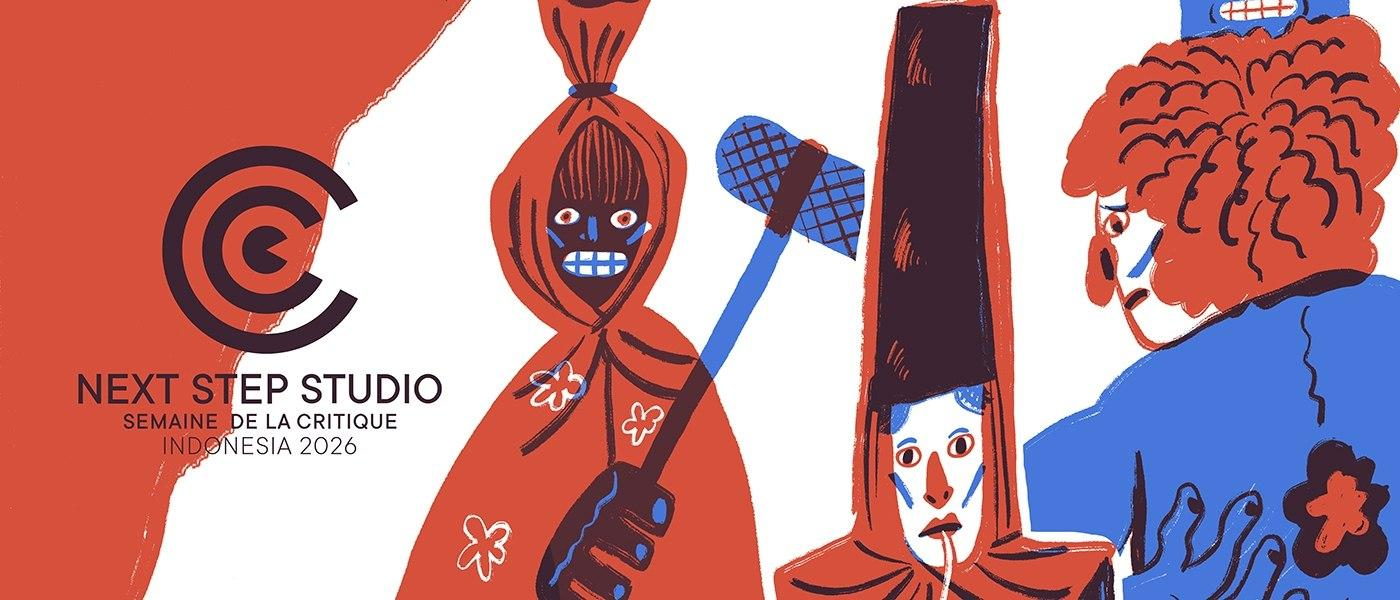
The Four Short Stories
1. Holy Crowd: A Sharp Black Comedy on Blind Faith
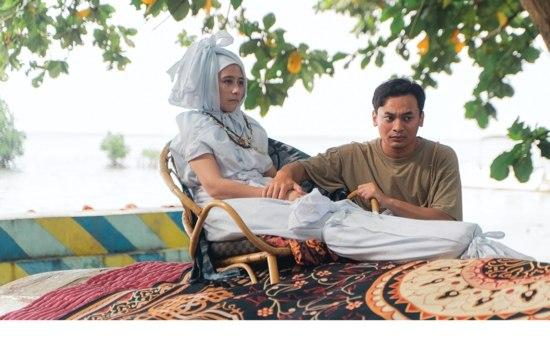
This segment by Reza Fahriansyah and Ananth Subramaniam instantly satirizes our familiar loop of capitalism and religious hysteria. The metaphor shown here—the sudden revival of a woman during her funeral and the subsequent miracle industry that sprouts around her—is simultaneously razor-sharp and highly entertaining. The way the director duo composed the crowd and chaos within the frame strongly evokes the familiar social frenzy of Southeast Asia. Prilly Latuconsina’s silent yet powerful screen presence serves as the main anchor of the film.
2. Original Wound: The Indoor Calligraphy of Grief and Trauma

A completely contrasting tone resonates in this closed-door drama by Shelby Kho and Sein Lyan Tun. The core theme revolves around the suppressed rage and domestic turmoil of a brother and sister following their mother's death. The cinematography brilliantly captures the internal darkness of the characters through the captivity of four walls and a minimalist use of light. This is an oriental-style work that speaks in whispers, yet its echo haunts the viewer long after the screen goes dark.
3. Annisa: Jakarta on a Canvas of Sound
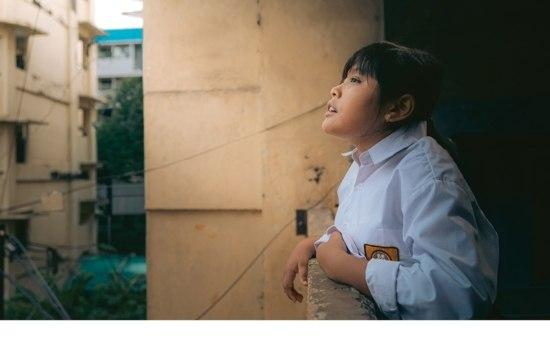
The work of the duo Reza Rahadian and Sam Manacsa can be called a brilliant paradox of cinema as a visual medium. Instead of relying on visual glamor, they have framed the world of a visually impaired teenage girl through meticulous sound design. The soundscape of a cramped Jakarta housing complex—the splashing of water at a communal tap here, the distant hum of traffic there—becomes the primary language of this film. Casting the real-life Annisa brings a rare, documentary-esque honesty to the entire fabric of the narrative.
4. Mothers Are Mothering: A Dive from Hallucination to Sci-Fi
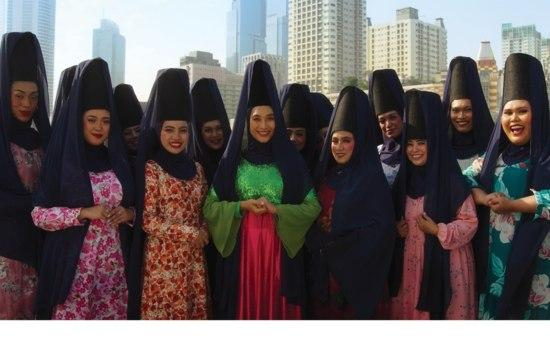
The omnibus takes its most sudden and experimental turn in this segment by Khozy Rizal and Lam Li Shuen. Beginning as a familiar melodrama of domestic violence and trauma, the way the film gradually shifts into hallucination and ultimately into a dark sci-fi black comedy is nothing short of a masterclass. The film's color palette and surreal atmosphere bear the distinct touch of Jean-Luc Godard’s New Wave, while simultaneously carrying the audacity of contemporary Asian genre cinema.
The greatest triumph of this omnibus lies in its cohesive editing and tonal balance. Despite being the work of four pairs of directors, the distinct metabolism and organic pulse of Jakarta are never lost. The city is not treated merely as a backdrop here; rather, Jakarta itself functions as an active character.
The inclusion of this film in the "Next Step Presents" section of Cannes Critics' Week proves once again that short-format cinema is not just a preparation for a feature, but a self-contained and powerful artistic medium in its own right.
Next Step Studio Indonesia is more than just a collage of eight talents from four different countries; it is a new manifesto for independent cinema from the Global South. It has firmly secured its place as one of the most polished and intellectually stimulating cinematic experiences of Cannes 2026.