A film becomes truly powerful and meaningful when it shakes the core of our thoughts—when its impact lingers long after it ends. Does a film really end when it ends? There are some films that are different. The end of those films don’t mean the end of the film. Rather, even after it ends, it seems to continue endlessly. Inside our heads, inside our thoughts.
We remember those films that make us think, that haunt us in silence. The ones that don’t really end, even when they do. They outgrow their runtime and live on, without pause, within us.
Saba (2024) is one such film. In Saba, Maksud Hossain unveils Dhaka city not through spectacle, but through the quiet desperation of a daughter carrying more weight than her shoulders should bear. Saba, played by Mehazabien Chowdhury, is at the center of a life shaped by duty, dreams, and guilt. She cares for her paralyzed mother, while forgetting her own needs and dreams.
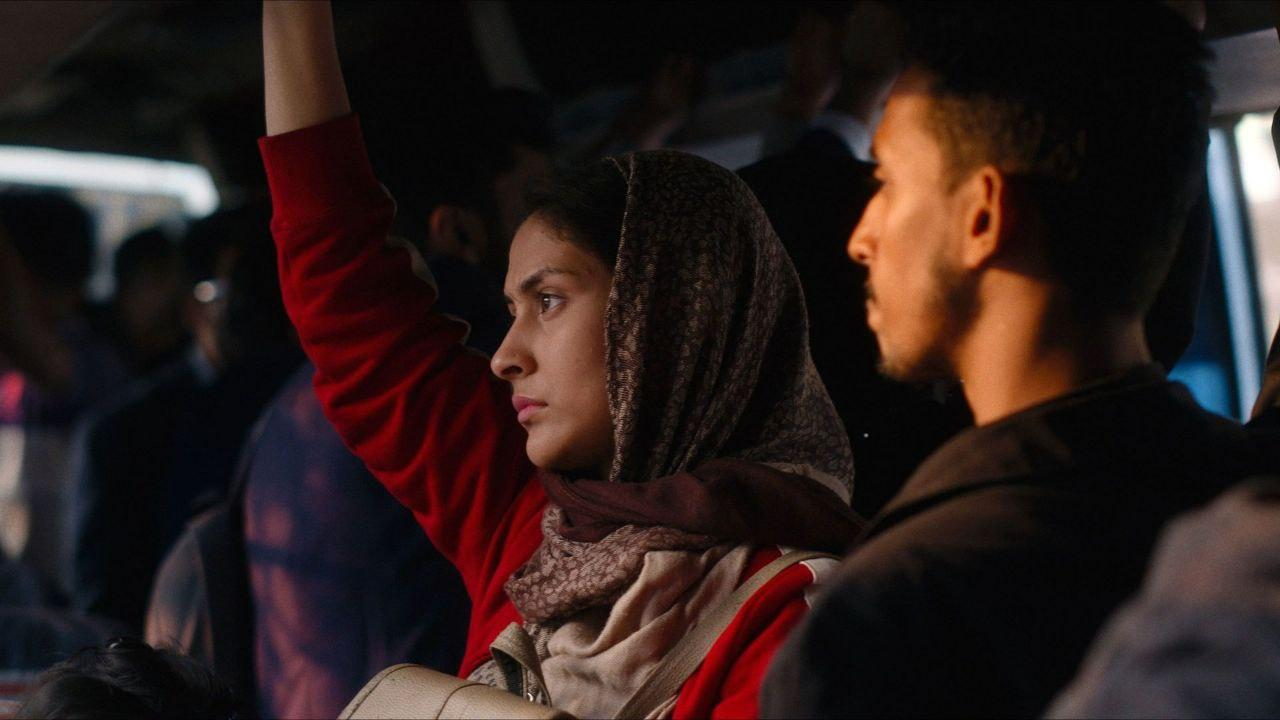
The most powerful part of this film is its day-to-day realism. At one point, we find ourselves inside Saba’s silent dreams. Small rooms full of silence, a home that feels safe and trapped. Maksud Hossain portrayed a deeply beautiful story of a mother and daughter’s love — but it’s a love that feels different, expressed in a language of its own.
Saba’s cinematography is really something. It captures Dhaka in its suffocating beauty. It captures details after details after details. These details, small yet insistent, become the emotional architecture of the story. And every performance was incredibly precise. Mehazabien, Rokeya Prachy, Mostafa Monwar—each of them were amazing.
It’s natural that a film from my country would reflect the realities of my country. But that reality becomes truly powerful when it’s shown with deep artistic insight. We all know the struggles in Dhaka’s hospitals, the corruption on our streets, the way even close relatives can become selfish over money. These are everyday truths. But when a film brings them out honestly and sensitively, that’s when its realism really moves us. Maksud Hossain truly amazed us with all his insights.
Saba gave us a different kind of ending—quiet, mature, and deeply moving. It’s been a long time since we witnessed this level of emotional depth in Bangladeshi cinema, and we finally saw it through Maksud Hossain’s eyes.