Premiered in the Cannes Critics’ Week sidebar, Yemeni-Scottish filmmaker Sara Ishaq’s debut, The Station, attests to a certain mould of Middle Eastern cinema that’s propulsive and yet betrays a limited, incurious sociological gaze. Amidst the fallout of the Yemeni civil war, a women-only gas station forms a defiant harbour.
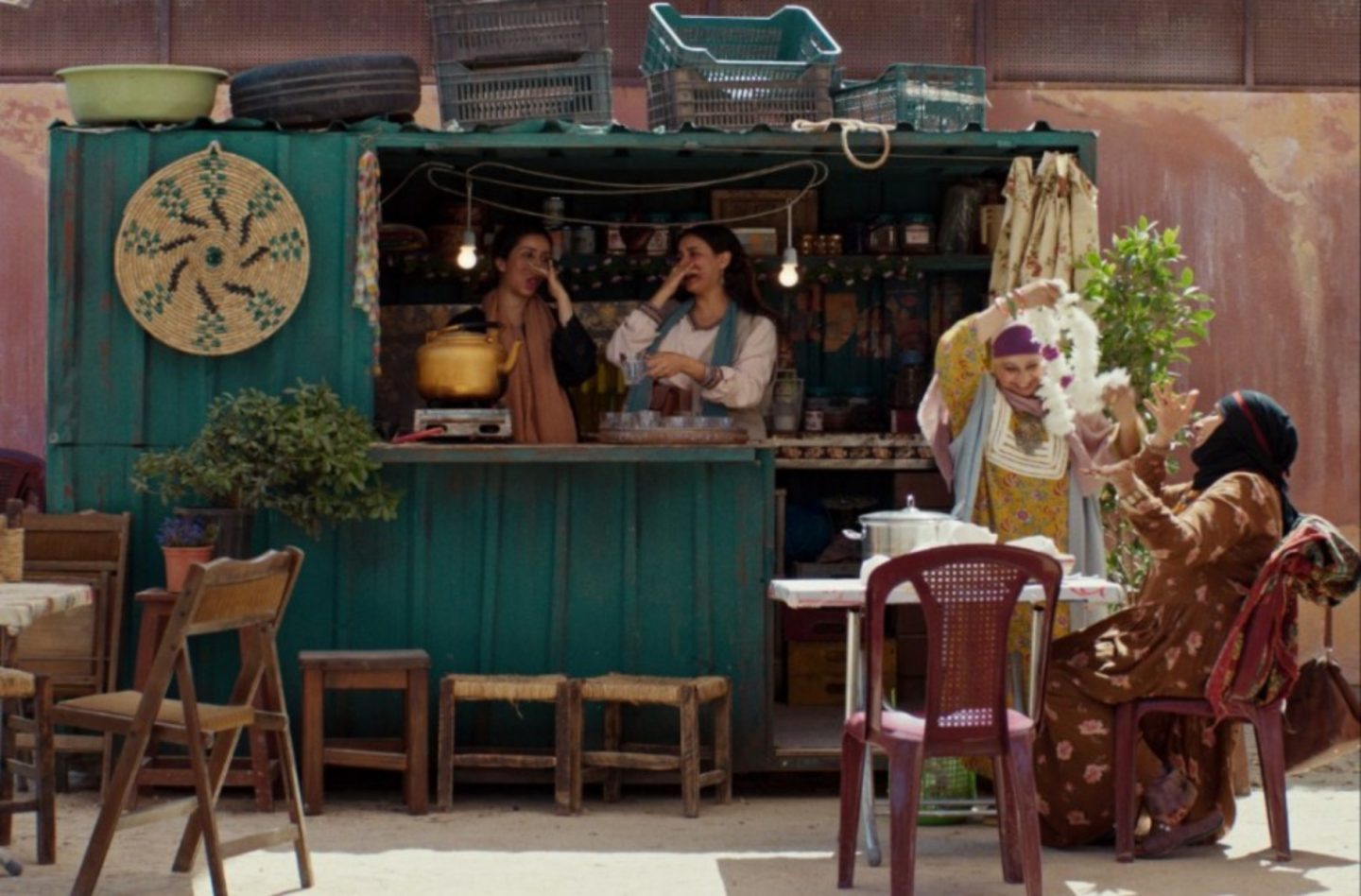
Overseen by Layal (Manal Al-Maliki), the station is a sanctuary for women to come together, laugh, live a little. Tucked away from warmongering rhetoric, it’s a space for them to unburden themselves, share grief, joys, a sumptuous meal or two. A sign outside the compound states, ‘no men, no weapons, no politics’. But of course, this is an untenable refuge. Ishaq mines pathos, humour, zest and vitality as long as she circles the women. There’s a giddy thrill to be found as they vivaciously trade contraband pleasures. However, Layal is also battling the constant fragility of her twelve-year-old sibling, Latih (Rashad Alrajeh). She has already lost a brother to the war. She has marooned Latih in the station to stave off his being taken away by the military. Latih contends with local boys who mock and shame him for being among “a bunch of housewives”, for not being macho. Deeply vulnerable, Latih also aches for freedom, not fully aware of the violence raging outside the station’s safe confines. Trouble brews since Latih is edging close to the age for recruitment. Left with no recourse, Layal is thrust with having to pay a hefty exemption fee.
The crisis brings Layal’s estranged sister, Shams (Abeer Mohammed), returning to the village. A history of resentment runs between the sisters. Thrown together, they do realise how deeply connected they are. But before that, there’s a whole lot of grudging, chafing, spiting each other in guilt over their martyred brother. Layal believes herself to be capable enough of rescuing Latih. Shams provides a more dire scenario. Layal’s fledgling journey towards mustering the resolve, accepting another and possibly the only way out, drives the film’s volatility. Slowly, the tone darkens as the stakes threaten to raze into the station. The bright good cheer with which the women honed a reprieve comes under attack, not from strangers but the very men in their families.
However, The Station cannot sustain itself wholly through sketchy, imprecise spatiality. Scenes of border patrolling and confiscations are fraught but generic. Ishaq is more interested in pursuing the panic and paranoia around conscription than specifics of a civil war. This doesn’t excuse its routine imagination of Islamic fundamentalism. Scrabbling between a militarized fate and the protective folds of his sister, Latih’s innocence goes through several rapid losses. Layal is more vulnerable than ever. Ishaq’s broadly hinted outlines of warring factions, the deceptive peace either camp tricks, never accrues into anything substantive or interrogating in spirit. There’s a marked inability to put into context and perspective how the factions have misled and misappropriated.
The otherwise tense, throbbing drama gets caught in servicing the bare minimum representation. Ishaq peddles familiar, trite visions of strife, a land being ripped apart by factionalism, women and children consigned to sacrifice and martyrdom. The Station wraps its political rage and despair a tad too neatly into a drama sculpted through duress. Where it misses the landing is lending a rounded, persuasive voice to Shams beyond the shared bereavement, a glimpse into life on the rival faction. We get cursory laments about war continually stripping families of sons. Ishaq demonstrates a fine grip over narrative velocity but finer details are somewhat painted over. Very few films emerge from Yemen. Unfortunately, The Station, despite its intermittently nerve-wracking dilemmas, struggles to expand the conversation, our understanding of the region’s fault lines. It remains an engrossing but slight beginner’s guidebook for a naïve passer-by.