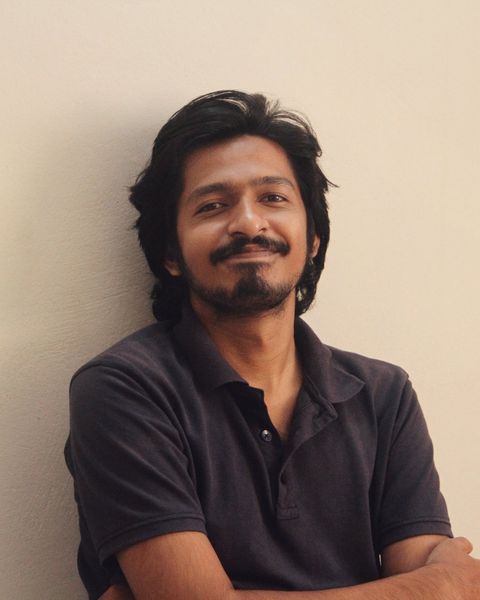
"The Battlefield isn't like an American Movie."
In the middle of a dense jungle in Myanmar, a group of young people are learning how to become soldiers. There is something almost disarming about the ordinariness of their surroundings. They chop wood, gather coconuts, prepare food, rest in hammocks and sing along to Taylor Swift. Some wear Guns N' Roses T-shirts; others talk about their lives back home. At first glance, their days might resemble those of young people spending time at a summer camp. But the jungle is no holiday destination, and these are not ordinary days.
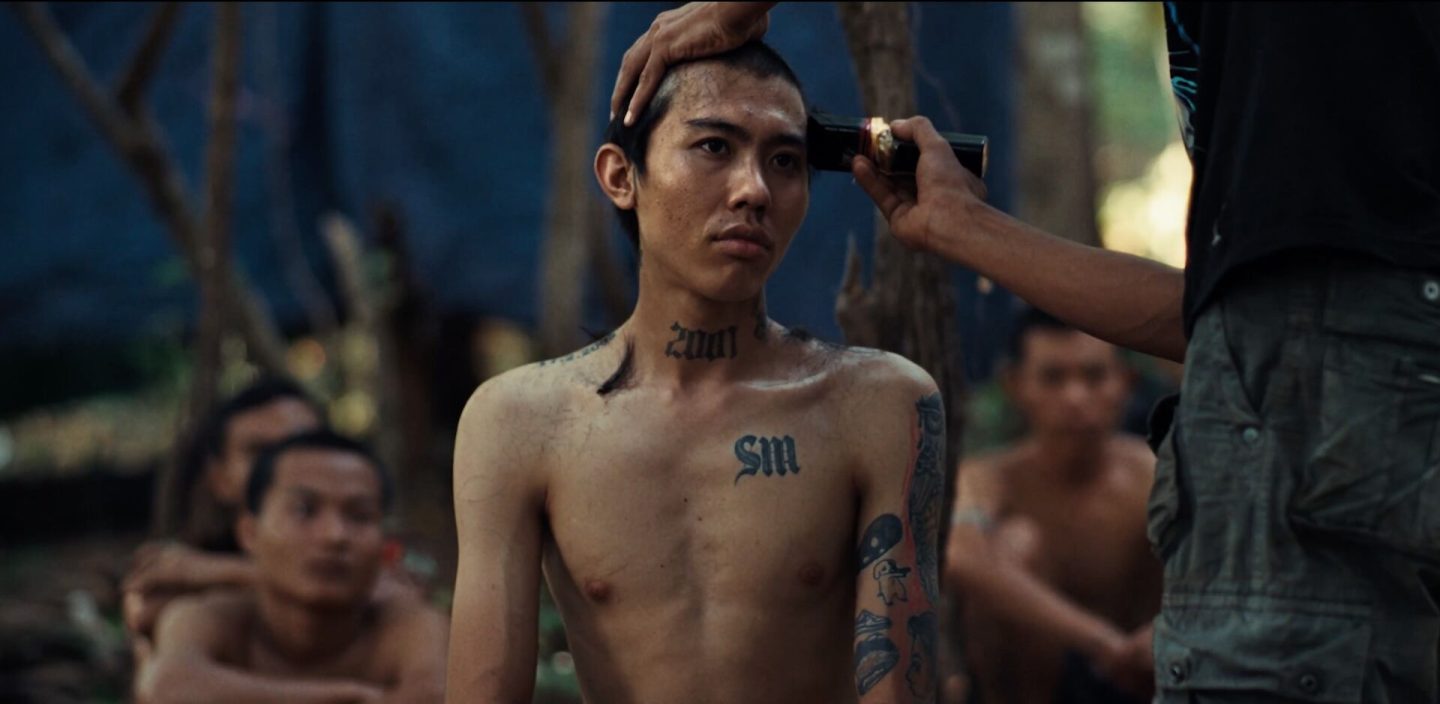
They are preparing for a war they never expected to fight. White Tiger Column, directed by Robert Mentov, Dwight Jantzi and Bryan Dickie, observes this transformation over 45 days, following a group of young volunteers as they undergo military training before leaving for the frontline in Myanmar's ongoing resistance against the military junta.
What makes the documentary particularly moving is the distance between who these young people were and what circumstances have compelled them to become. Until recently, many were students, teachers and ordinary civilians. They belonged to a generation whose lives had little to do with military life. But following the military coup on 1 February 2021, which overthrew the democratically elected government, the situation changed dramatically. When civilians took to the streets in protest, the military responded with violence and live ammunition. For many young people, remaining in the cities was no longer an option. The jungle became a place of refuge, resistance and, eventually, preparation for an unequal fight. The film does not rush to explain every political development. Instead, it stays close to the people who have found themselves inside this extraordinary situation.
The training itself is an unsettling combination of the ordinary and the frightening. Between physical exercises, military drills and lessons in survival, the recruits find moments to talk, joke, sing and remember their lives outside the camp. There is a particularly striking contrast between their youthfulness and the responsibilities they are preparing to assume. They discuss what they have seen, why they came and what might await them at the frontline.
Some of their conversations are light-hearted, while others reveal the fears and uncertainties that sit beneath their determination. Their instructors teach them to handle weapons, run, endure physical hardship and make explosives with whatever resources are available. The imbalance between the two sides is difficult to ignore. The military has drones and fighter
jets; the resistance has limited equipment and improvised methods. Yet these young people continue their training with a conviction that cannot easily be measured against the weapons they possess.
Mentov, Jantzi and Dickie make an interesting decision about how to film this world. Rather than turning the camp into a conventional war documentary, they adopt a patient, observational approach. The camera often remains still, allowing people and their surroundings to occupy the frame without constantly directing our attention. The filmmakers initially intended to make a more immediate cinéma vérité film, but the experience of spending time in the camp gradually changed their approach. They realised that the recruits' moments of stillness and contemplation were as important as their physical training. This shift gives the film much of its character. There is no constant rush to find dramatic incidents or manufacture tension. The camera watches, waits and allows everyday life to unfold. It is a form of filmmaking that trusts its subjects and understands that sometimes the most revealing moments happen when seemingly nothing is happening.
The sound design is equally important. The jungle has its own rhythm, made up of voices, conversations, footsteps, insects and the movement of everyday life. But the war is never entirely absent. The frontline is only a few kilometres away, and the distant sounds of gunfire, raids and drone attacks occasionally enter the camp's otherwise familiar atmosphere. Gradually, these sounds become part of the environment, almost indistinguishable from the surrounding jungle. The war exists beyond the frame, an unseen presence that shapes everything within it. One particularly effective aspect of the film is how the recruits speak about their fears at night, when the distance between their temporary shelter and the actual battlefield seems to disappear. The filmmakers do not need to show us constant violence to make us feel its proximity.
There is also an important ethical consideration in the way the directors approach their subjects. As foreign filmmakers entering a politically complicated and dangerous environment, they had to build trust with the people they were filming. Their access was made possible partly through Bryan Dickie's longstanding relationships with Burmese communities and the resistance. The filmmakers spent time with the recruits before bringing their cameras into the camp, allowing a relationship to develop rather than treating the people as material for a film. This is particularly significant in a situation where revealing someone's identity can put their family and loved ones at risk. Their restraint in showing faces and choosing what to include reflects an awareness of the responsibilities that come with documenting a conflict.
Perhaps the most interesting decision comes in the film's final moments. Only after we have spent so much time with these young people does the documentary offer a brief historical account of Myanmar's military coup, the nationwide protests, the army's violent response and the formation of the resistance in the jungle. The placement of this information feels deliberate. The directors first allow us to encounter the people, their personalities and their everyday lives; the historical context arrives afterwards, giving a larger meaning to what we have witnessed. It is a reminder that these seemingly ordinary days are inseparable from a much larger national tragedy.
White Tiger Column is ultimately a film about a generation whose lives have been interrupted by history. It does not pretend to know what awaits them, nor does it offer easy answers about the future of their country. Instead, it gives us the opportunity to spend time with people who are trying to find their place in circumstances far beyond their control. The transformation from civilian to soldier is never presented as a simple journey of heroism.
There is courage, certainly, but also vulnerability, uncertainty and the quiet persistence of youth. This is the power of the documentary: it brings us close enough to recognise the human lives behind a conflict that often remains distant to the outside world. Long after the film ends, it is not the weapons or the military exercises that stay with us, but the faces, conversations and ordinary moments of these young people, living through an extraordinary and deeply uncertain chapter of their country's history.